Planning an African safari? From what to wear to how to stay connected in the bush, here's your complete preparation guide.
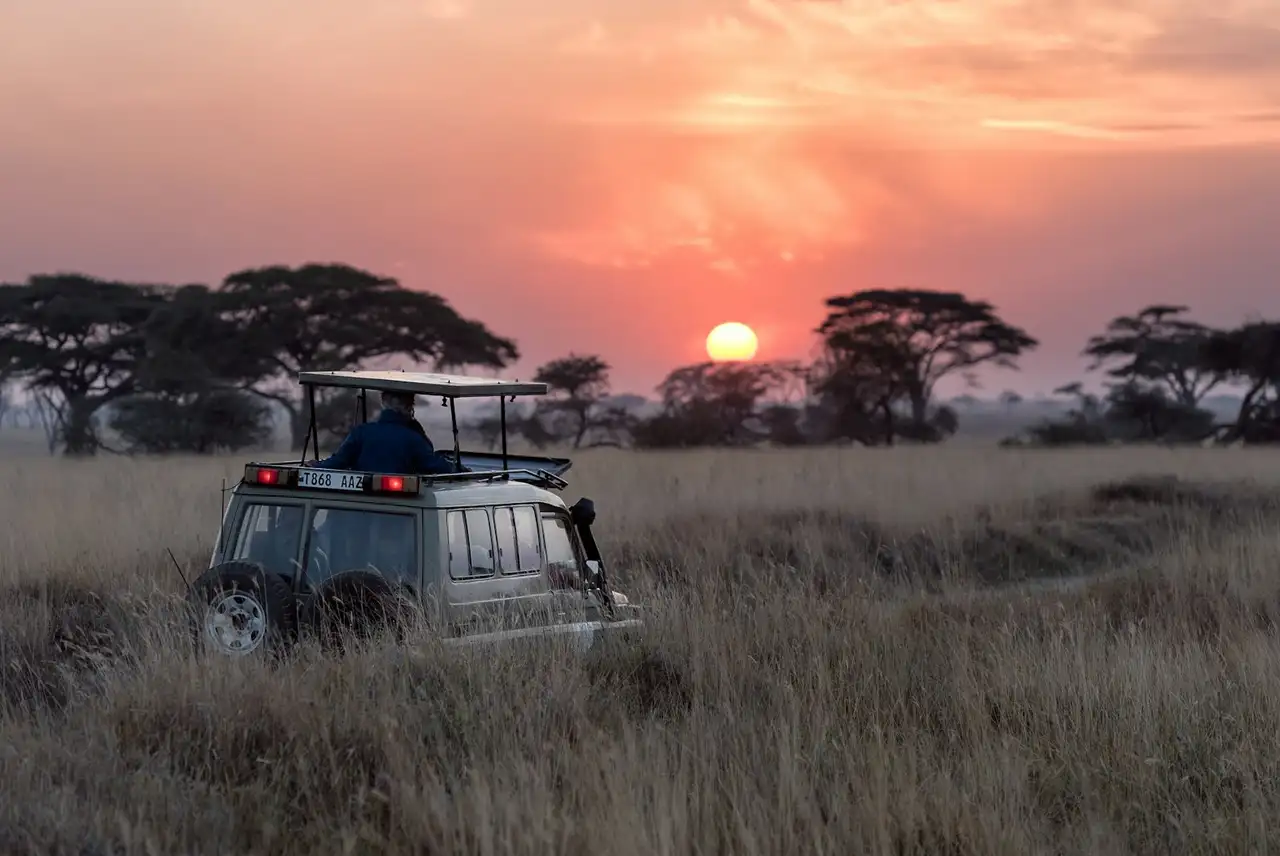
An African safari is a bucket-list experience, watching a lion pride at sunrise, elephants crossing a river at sunset, the Milky Way stretching across an unpolluted sky. But to truly enjoy it, you need to come prepared.
Best time: July–October (Great Migration in Maasai Mara) Highlights: Big Five, hot air balloon safaris, Maasai culture Budget: Mid-range to luxury
Best time: June–October (dry season) Highlights: Serengeti, Ngorongoro Crater, Kilimanjaro Budget: Mid-range to luxury
Best time: May–September (winter, animals gather at water sources) Highlights: Kruger National Park, diverse landscapes, excellent infrastructure Budget: Budget-friendly to luxury
Best time: May–October Highlights: Okavango Delta, Chobe National Park, low tourist density Budget: Premium
✅ Neutral-colored clothing (khaki, olive, brown), avoid white and bright colors ✅ Layers, mornings and evenings can be surprisingly cold ✅ Long sleeves and pants, protection from sun and insects ✅ A warm fleece or jacket for early morning game drives ✅ Comfortable walking shoes and sandals for the lodge ✅ A wide-brimmed hat and quality sunglasses
✅ Binoculars, a game-changer for spotting distant wildlife ✅ Camera with a zoom lens (200mm minimum recommended) ✅ Extra memory cards and batteries ✅ A headlamp or small flashlight ✅ Dry bags for protecting electronics from dust
✅ Antimalarial medication (consult your doctor) ✅ Strong insect repellent (DEET-based) ✅ Sunscreen SPF 50+ ✅ Basic first-aid kit ✅ Any prescription medications in original packaging
1. Stay in the vehicle unless your guide says otherwise 2. Keep voices low, loud noises scare animals away 3. Never feed the wildlife, it's dangerous and illegal 4. Follow your guide's instructions without exception 5. Respect distances, never pressure a driver to get closer to animals
Here's something most safari guides won't tell you: connectivity in Africa is better than you think. Major parks have cell coverage, lodges often have Wi-Fi, and you'll want data for:
Sharing those incredible photos in real time Identifying animals and birds with apps like Merlin or iNaturalist Navigation between parks and cities Staying in touch with family back home Emergency communication
Instead of hunting for SIM cards in Nairobi or Johannesburg, set up your eSIM before you fly. JamboSim offers data plans for Kenya, Tanzania, South Africa, Botswana, and many more African countries.
Find your African country plan and arrive connected.
Shoot during golden hours, the hour after sunrise and before sunset Use burst mode for action shots Don't forget the landscapes, it's not all about close-ups Capture the small details, dung beetles, weaverbird nests, paw prints Put the camera down sometimes, some moments are best experienced with your eyes
An African safari will change how you see the world. With the right preparation, you'll spend less time worrying and more time marveling at nature's greatest show.
Browse African destinations and start planning your safari today.